CollarID: Wildlife Tracking and Monitoring System
An advanced biologging system designed for all animals of dog-size and larger, optimized for wild applications.
Project Overview
CollarID is a versatile, lightweight, and low-power multi-modal animal-borne sensor platform designed to provide a holistic lens on wildlife behavior and environmental health. Moving beyond the limitations of traditional location-only GPS trackers, it integrates high-fidelity bioacoustic recording, detailed inertial measurement (IMU), and a comprehensive environmental suite including temperature, humidity, pressure, and a novel particulate matter sensor to track real-time air quality exposure. The platform features an autonomous, fault-tolerant power system with solar harvesting and a robust physical enclosure validated to withstand extreme environmental conditions and the bite forces of large predators like lions and hyenas. CollarID enables researchers to move from broad landscape-level correlations to direct, animal-borne studies, asking mechanistic questions about how invisible stressors like air pollution affect the foraging efficiency, movement, and overall respiratory health of diverse wildlife species.
Full Thesis Document: Download PDF
System Architecture
CollarID is an end-to-end wildlife intelligence platform. The system covers the full stack, from collar hardware to cloud dashboard. Visit collarid.org for details on each layer.
Embedded Hardware
Multi-Transport Telemetry
Cloud Infrastructure
System Exploded View
Deployments
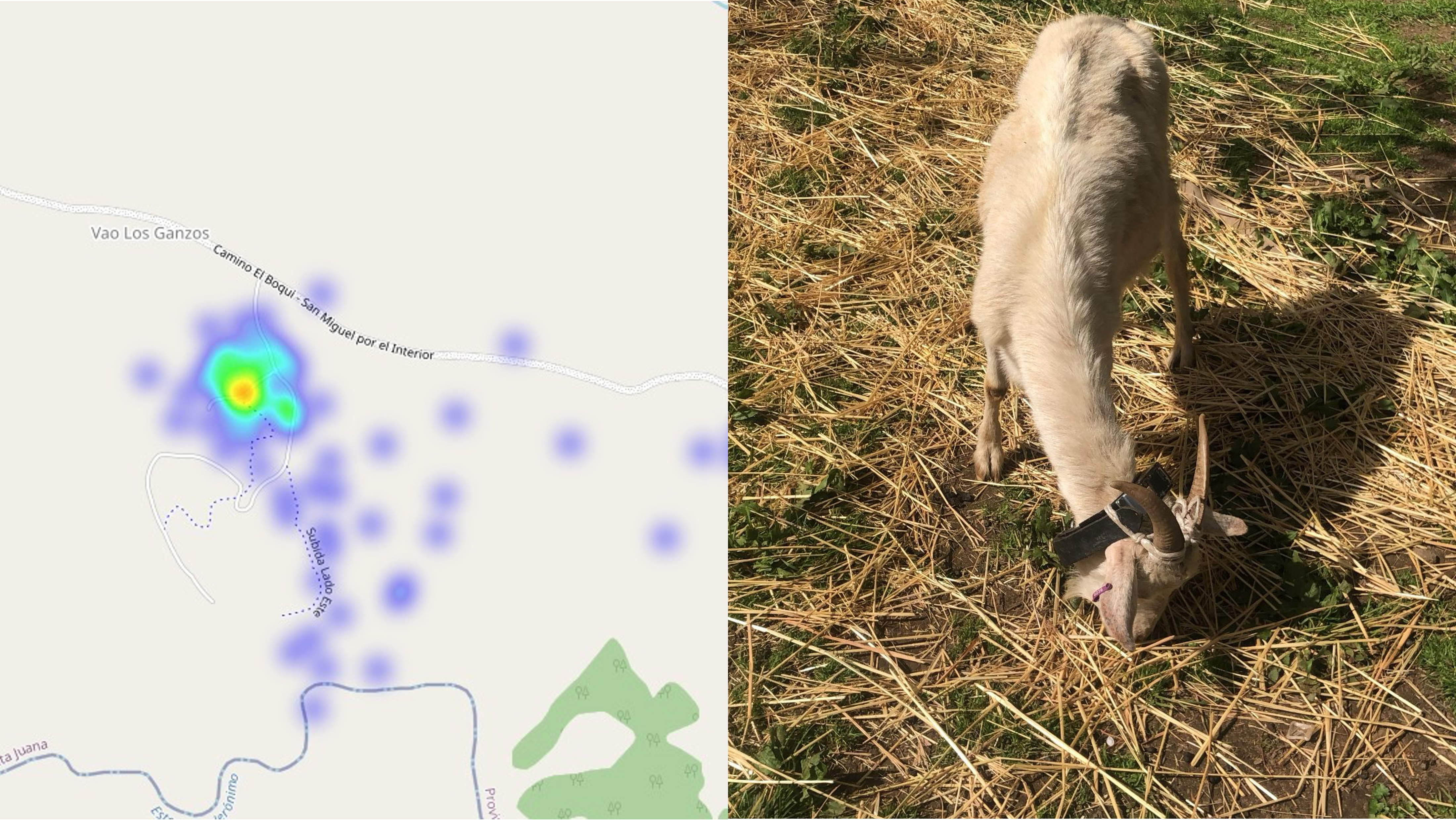
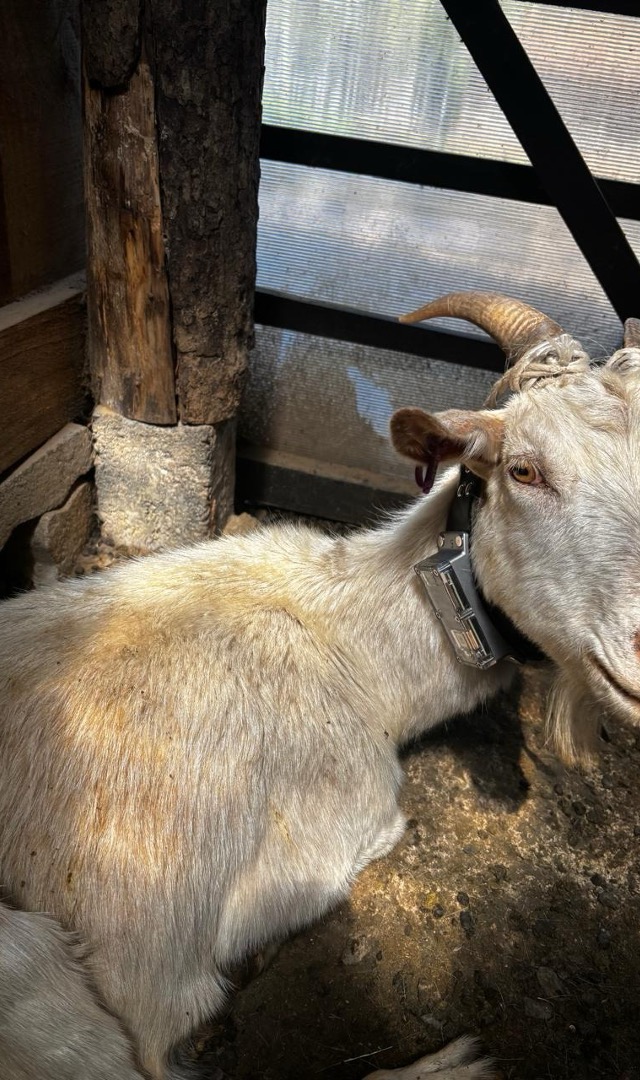
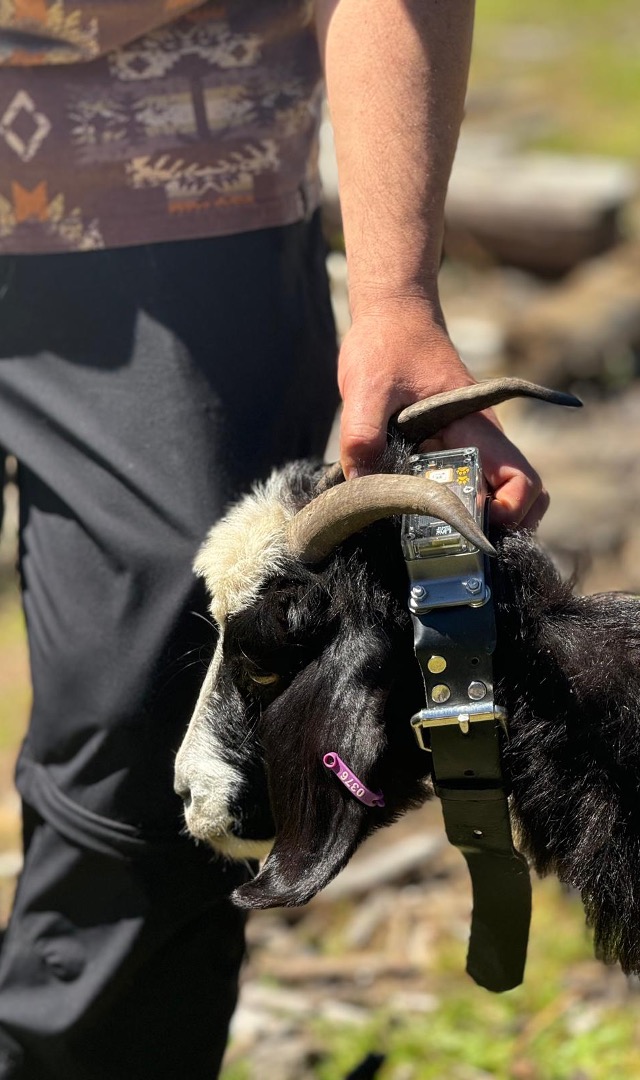
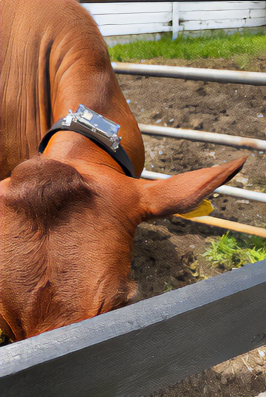
The CollarID system has been deployed across diverse environments and species. Below are examples from field deployments.
Goats in Chile
Cattle
Finite Element Analysis
To ensure the CollarID platform could survive the physical demands of tracking wild animals like lions and hyenas, we conducted rigorous Finite Element Analysis (FEA) on the device's mechanical housing. This simulation was a critical step in our design process for several key reasons:
Validating structural integrity against extreme forces allowed us to test whether the enclosure—made of a polycarbonate top and aluminum base—could withstand the immense bite forces of large predators. Specifically, we modeled the worst-case scenario of a focused canine puncture from a spotted hyena and a lion. These digital stress tests helped us predict material resilience and identify potential weak points, showing that while a lion's maximum bite force might cause localized dents or permanent surface deformation, the device's overall structure was unlikely to suffer a catastrophic bulk fracture. Furthermore, by simulating lateral impacts, we confirmed that the housing, supported by six screws and internal supports, provided the necessary rigidity to maintain the watertight seal protecting the internal electronics. Ultimately, this computational testing, paired with a real-world dishwasher stress test, proved that CollarID is a robust platform capable of protecting its sensitive multi-modal sensors in the harshest wilderness environments.
Acoustic Recordings
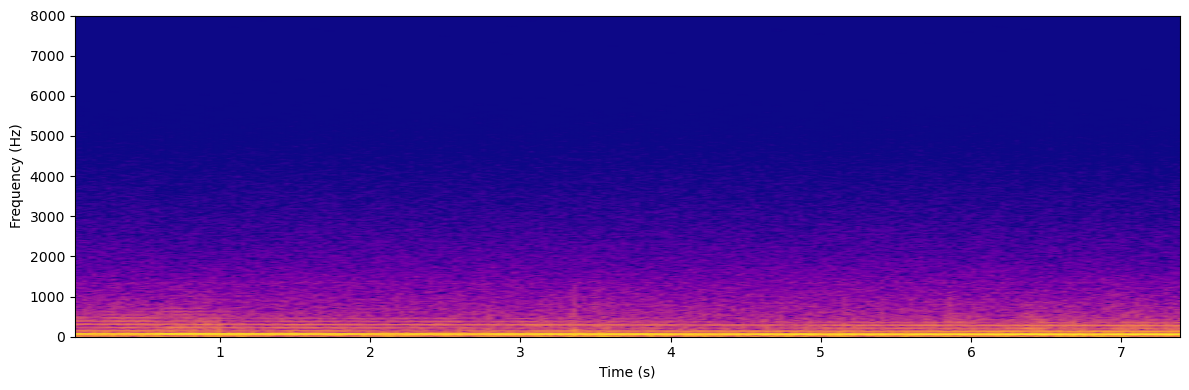
The CollarID system includes high-quality microphones that capture environmental sounds and vocalizations. Below are example recordings from field deployments with their frequency spectrum (STFT) visualizations.
Cow Mooing and Bird Chirping
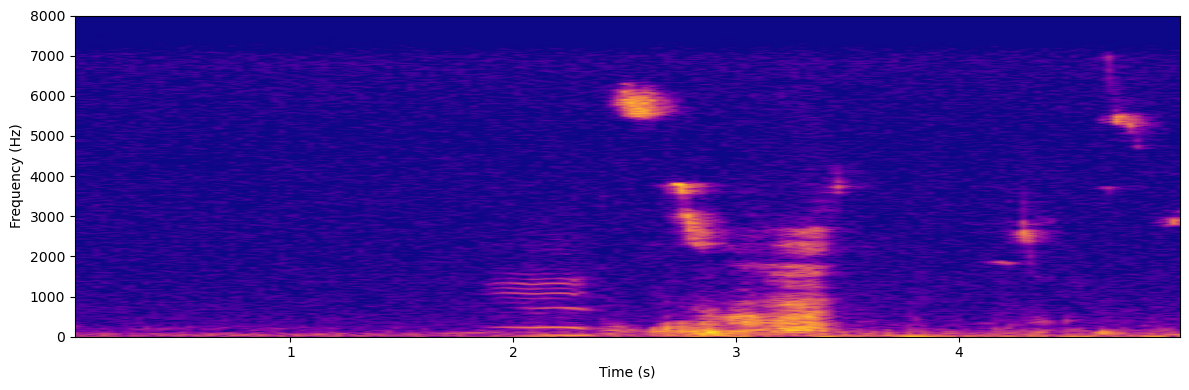
Cow Bawling
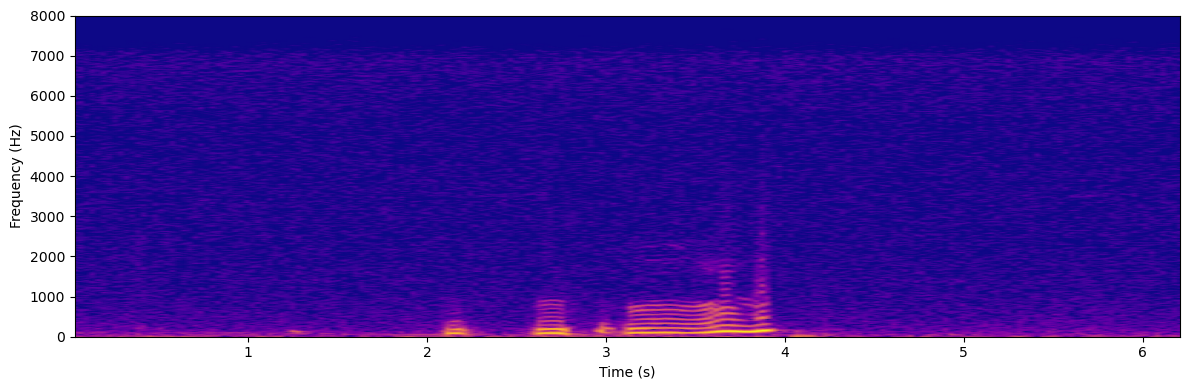
Cow Walking
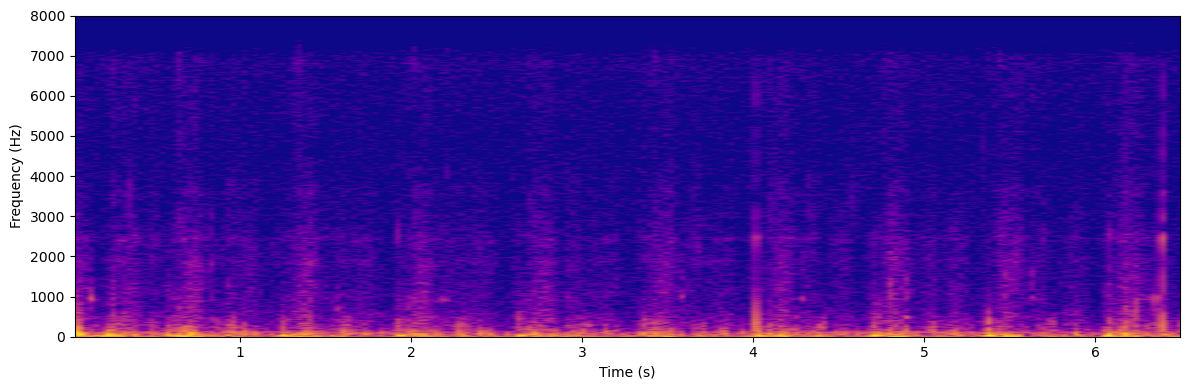
All-Terrain Vehicle
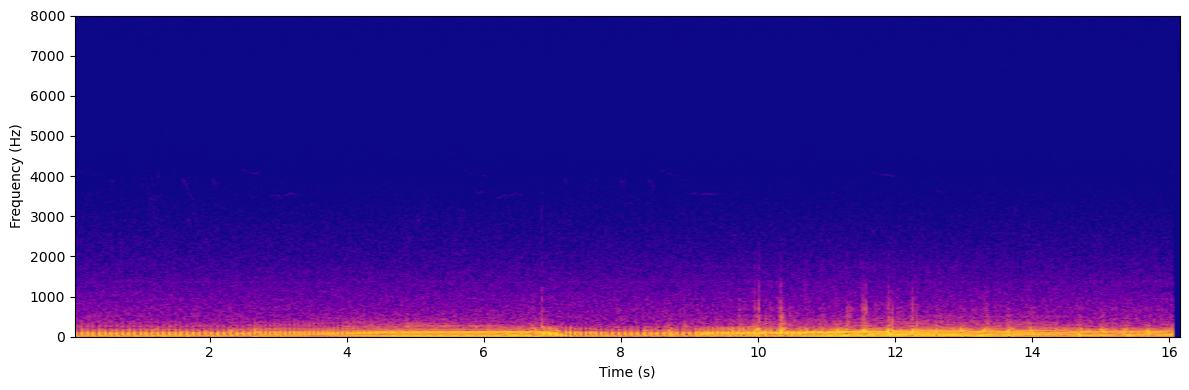
Plane